
Key Takeaways
- Babies can have their first eye exam between 6 and 9 months old.
- Children ages 6 to 19 benefit from a yearly eye exam.
- Healthy adults between 20 and 64 should generally schedule an exam every 1 to 2 years, but your eye doctor’s recommendation may vary based on your health and situation.
- Adults over 65 generally need yearly eye exams, while people with diabetes are encouraged to book yearly.
- Blurry distance vision, headaches, or tired eyes are reasons to book sooner.
- Alberta Health Care offers partial coverage for eye exams for kids under 19.
How Often You Should Get Your Eyes Checked
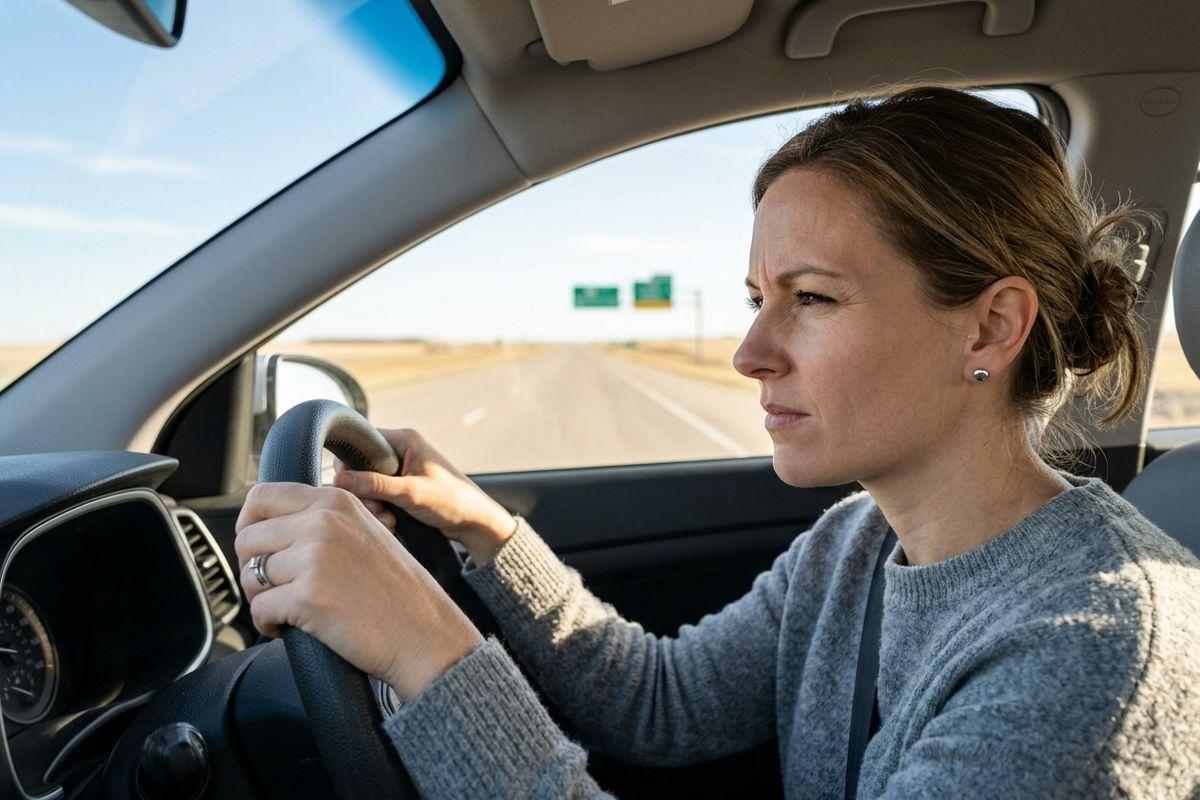
You squint a little at highway signs. Your child holds their tablet closer than they used to. Somewhere between those small moments and your last appointment, you start wondering how long it has been since your family’s last appointment.
In Alberta, the general guideline for kids is a first eye exam between 6 and 9 months of age, another exam between ages 2 and 5, and yearly exams from ages 6 to 19. For healthy adults, the standard recommendation is regular appointments every 1 to 2 years for adults 20 to 64 and yearly appointments for those 65 and over.
However, these numbers are a starting point. Timing shifts with age and eye health, so an optometrist at Vision Care Centres may suggest a different schedule better suited to your particular needs. If you’re curious about pricing before you call, here’s a breakdown of eye exam costs in St. Albert.
Recommended Timing by Age
- First eye exam between 6 and 9 months old.
- One exam between ages 2 and 5.
- Yearly exams from ages 6 through 19.
Adults 20 to 64 and Adults 65 Plus
If you’re between 20 and 64 and your eyes are healthy, we generally recommend that you schedule an exam every 1 to 2 years. Once you reach 65, yearly visits are recommended. However, depending on your needs, we might recommend a different schedule.
People with diabetes and other health conditions are encouraged to schedule yearly eye exams, regardless of their eye health. A diabetic eye exam checks the retina for changes linked to blood sugar levels.
Why Kids Need Yearly Eye Exams
Kids grow fast, and their eyes change along with the rest of them. A prescription that helped in September might need updating by spring.
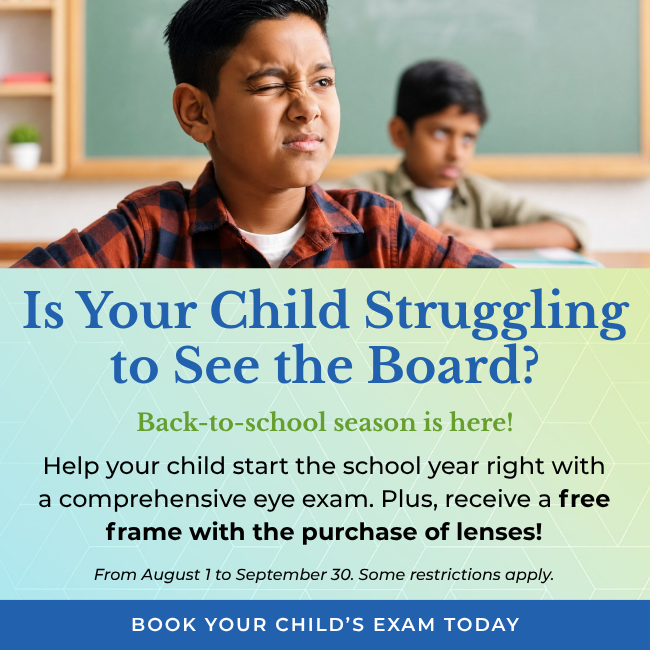
School often makes vision problems obvious. Reading a whiteboard from the back row, following a math problem, and finishing a page of homework all depend on comfortable vision. In fact, a child who avoids reading might simply be working too hard to see.
The good news for families is cost. Alberta Health Care provides at least partial coverage for eye exams for kids under 19, so booking a yearly children’s eye exam is one less line item on the household budget.
Signs It’s Time to Book Sooner
You don’t need to wait for your next scheduled visit if something feels different. Common signs that it might be time to pay your optometrist a visit include:
- Blurry distance vision and frequent squinting.
- Reading feels harder, or you hold your phone and books farther away.
- Your glasses feel off, and headaches or tired eyes show up by mid-afternoon.
Sudden vision changes, eye pain, or an injury fall into a different category. These are all potential symptoms of a serious problem and require emergency eye care.
When Your Prescription Feels Outdated
Over time, our eyes change. In other cases, our prescriptions simply expire. If you can’t find your prescription details or if your glasses need an update, a fresh eye exam can help you find new lenses.
The same goes for comfort. If your current frames pinch, slide, or leave your eyes feeling strained, that’s worth getting checked out.
What Happens During a Full Eye Exam
An appointment usually starts with a conversation. Our team asks about your health, any medications you might be taking, and whether certain eye conditions run in your family.
Next comes vision testing to sort out your prescription for glasses or contacts, plus imaging of the inside of your eyes. These tests don’t hurt, and you can ask questions during the process.
What to Bring with You
Bring your current glasses or the box for your current contact lenses, so that your eye doctor can see what you’ve been wearing. If applicable, you should also have your insurance details with you.
It also helps to jot down how you spend your days, since screen time, long commutes at night, and reading in dim light can all affect what your eyes need.
Simple Habits to Support Your Vision Between Visits
Screens are hard to avoid, so it’s worthwhile to give your eyes regular breaks. We suggest the 20-20-20 rule: every 20 minutes, look at something about 20 feet away for 20 seconds. This gives your eyes time to relax and may ease digital eye strain both at home and at work.
Outside, UV-blocking sunglasses provide steady protection against Alberta’s bright afternoons, while proper eye protection belongs in every hockey bag and shop class. Balanced meals, regular movement, and clean contact lens care round out the list of good habits.
When it’s time for your next visit, book an appointment with Vision Care Centres at one of our two locations, Erin Ridge Vision Care or Spruce Grove Vision Care. As a locally owned eye doctor in St. Albert and Spruce Grove, our team welcomes patients of every age, from a toddler’s first exam to a contact lens update. We can help you take care of your eyes and offer frames you actually enjoy wearing.