

Glaucoma, often referred to as the “silent thief of sight,” is a group of eye diseases that can cause irreversible vision loss. Among the various types of glaucoma, high-risk glaucoma is particularly concerning. Let’s shed light on this sight-threatening condition.
What are the early warning signs of glaucoma?
Detecting glaucoma in its early stages is challenging because it usually presents no noticeable symptoms. However, as the disease progresses, individuals may experience:
- Gradual loss of peripheral vision.
- The appearance of halos around lights.
- Elevated intraocular pressure (IOP).
- Optic nerve damage.
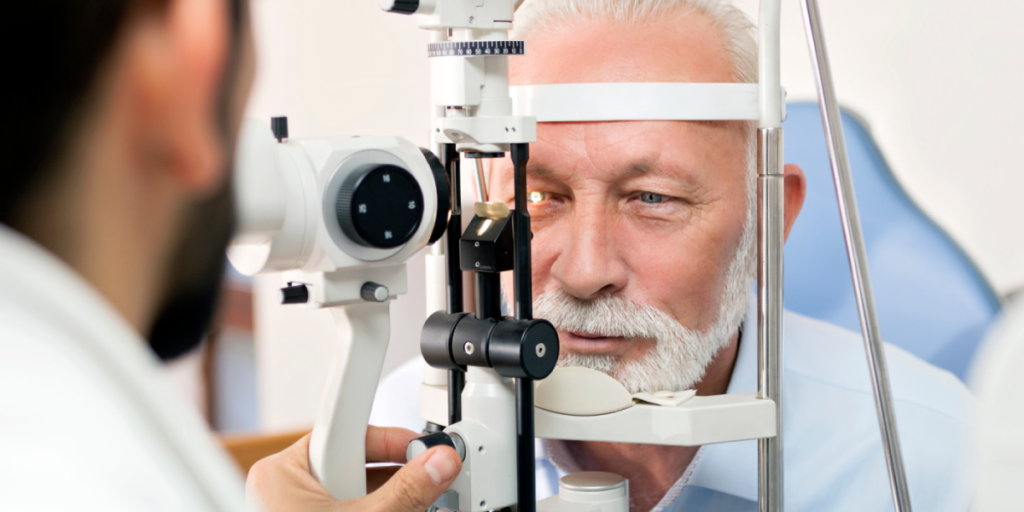
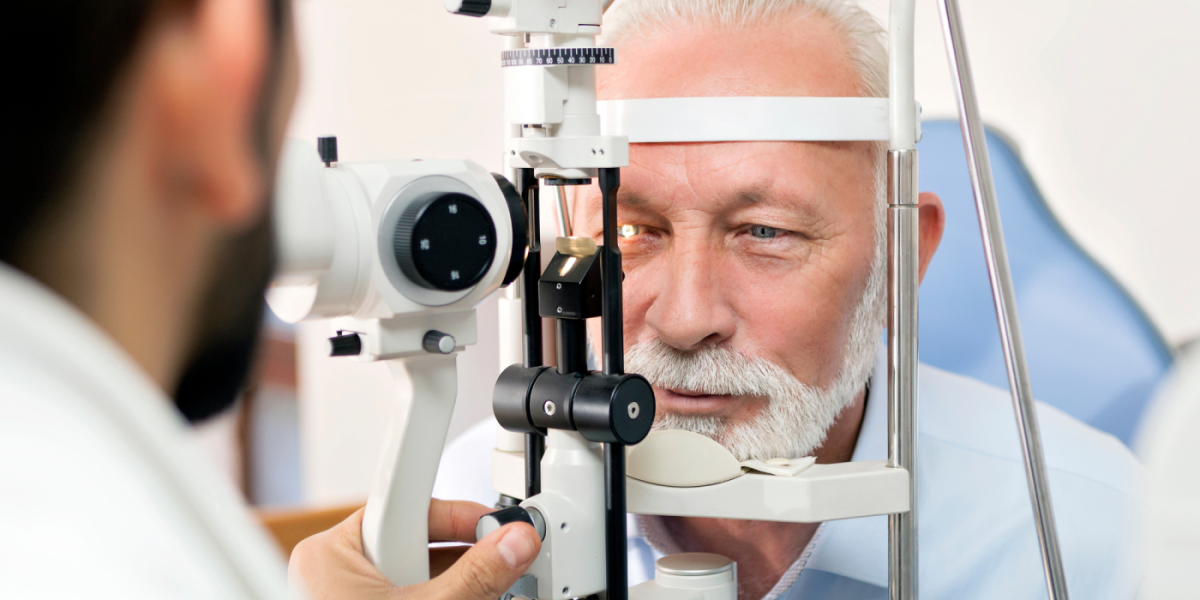
Regular eye exams are crucial for early glaucoma detection, especially if you have risk factors like a family history of the disease.
What are the 5 stages of glaucoma?
Glaucoma can be categorized into different stages, each with varying degrees of severity. These stages include:
First stage: Early glaucoma
- Minimal or no noticeable vision loss.
- Elevated IOP.
- Optic nerve damage may begin.
Second stage: Moderate glaucoma
- Gradual loss of peripheral vision.
- Increased optic nerve damage.
- Symptoms become more apparent.
Third stage: Severe glaucoma
- Significant vision loss, especially in peripheral vision.
- Visible optic nerve damage.
- Daily activities affected.
Fourth stage: Advanced glaucoma
- Severe vision impairment.
- Tunnel vision.
- Challenges with mobility and independence.
Fifth stage: End-stage glaucoma
- Total vision loss.
- Complete optic nerve damage.
- Reliance on others for daily tasks.
How fast does glaucoma spread?
The rate of glaucoma progression varies among individuals. Some may experience a gradual decline in vision over many years, while others may face rapid deterioration. Early detection and intervention can slow the progression and preserve vision.
Can eyes recover from glaucoma?
Vision loss due to glaucoma is irreversible, but the condition can be managed with timely treatment. The goal is to prevent further vision loss and maintain the remaining vision. This underscores the importance of regular eye examinations and early intervention.
How can I lower my eye pressure fast?
Elevated intraocular pressure (IOP) is a significant risk factor for glaucoma. While there’s no instant remedy to lower eye pressure, various treatments can effectively manage IOP. These include prescription eye drops, laser therapy, and surgical procedures. Consultation with an eye care professional is essential to determine the most suitable treatment.
Can I live my life with glaucoma?
Yes, individuals with glaucoma can lead fulfilling lives, especially when the disease is diagnosed early and managed effectively. Adherence to treatment plans, regular eye exams, and lifestyle modifications can help maintain independence and quality of life.
When is it too late to treat glaucoma?
It’s never too late to seek treatment for glaucoma, but early intervention is crucial for preserving vision. Once vision loss occurs, it cannot be reversed. Regular eye exams are essential to detect and manage glaucoma before it reaches an advanced stage.
In conclusion, high-risk glaucoma is a serious eye condition that demands attention and proactive management. Early detection through regular eye exams is the key to preserving your vision. If you have risk factors for glaucoma or haven’t had an eye examination in a while, consider scheduling one with our team at Erin Ridge Vision Care. We are committed to safeguarding your eye health and providing the best possible care.